


Menu2Recipe: Bridging the Gap Between Sold Dishes and Ingredient Control in F&B
Updated: Jan 19
Menu2Recipe: Giải quyết khoảng cách giữa món bán ra và nguyên liệu cần kiểm soát trong F&B
Trong vận hành nhà hàng và quán ăn, hoạt động bán hàng luôn diễn ra ở cấp độ món ăn. Mỗi giao dịch ghi nhận một món được bán ra và một mức doanh thu tương ứng. Tuy nhiên, khi bước sang khâu kiểm soát chi phí và vận hành, điều mà chủ quán thực sự cần theo dõi lại là nguyên liệu riêng lẻ phía sau mỗi món. Chính sự khác biệt này tạo ra một khoảng trống lớn trong quản lý F&B, khiến chi phí nguyên liệu dễ vượt kiểm soát mà khó phát hiện kịp thời.
Mục lục
Bán ra là món ăn, nhưng kiểm soát lại nằm ở nguyên liệu
Phân tách menu thành nguyên liệu giúp kiểm soát vận hành tốt hơn
Menu2Recipe của Oda: Kết nối món bán ra với bán hàng, tồn kho và mua hàng
Kết luận
Bán ra là món ăn, nhưng kiểm soát lại nằm ở nguyên liệu
Trong thực tế, nhà hàng không bán thịt, rau hay gia vị trực tiếp cho khách hàng, mà bán các món hoàn chỉnh trên menu. Nhưng khi cần trả lời những câu hỏi quan trọng như nguyên liệu nào đang tiêu hao nhiều nhất, vì sao chi phí tăng hay vì sao kho thường xuyên thiếu hàng, việc nhìn ở cấp độ món ăn là chưa đủ.

Khi món bán ra không được liên kết với nguyên liệu cấu thành, doanh nghiệp chỉ thấy được bề mặt của vận hành. Nguyên liệu có thể bị sử dụng vượt mức, thất thoát trong chế biến hoặc mua hàng không sát nhu cầu thực tế, nhưng các vấn đề này thường chỉ lộ ra khi kiểm kho hoặc tổng hợp chi phí cuối kỳ.
Phân tách menu thành nguyên liệu giúp kiểm soát vận hành tốt hơn
Để kiểm soát hiệu quả, thực đơn cần được xem như cầu nối giữa bán hàng và quản lý nguyên liệu. Mỗi món ăn không chỉ là một dòng doanh thu, mà là tập hợp của nhiều nguyên liệu riêng lẻ với mức tiêu hao cụ thể.

Khi menu được phân tách thành nguyên liệu, dữ liệu bán hàng bắt đầu phản ánh đúng thực tế vận hành. Một món được bán ra đồng nghĩa với việc một lượng nguyên liệu tương ứng đã được sử dụng. Nhờ đó, tồn kho phản ánh sát hơn, kế hoạch mua hàng bám sát nhu cầu hơn và việc kiểm soát chi phí trở nên chủ động thay vì dựa vào cảm giác.
Menu2Recipe của Oda: Kết nối món bán ra với bán hàng, tồn kho và mua hàng
Từ bài toán đó, Menu2Recipe của Oda được thiết kế để phân tách menu thành nguyên liệu và liên kết trực tiếp với các hoạt động vận hành. Khi nhà hàng bán ra một món ăn, hệ thống không chỉ ghi nhận doanh thu mà còn tự động quy đổi món đó về các nguyên liệu cấu thành, cập nhật mức tiêu hao tương ứng lên tồn kho và dữ liệu mua hàng.

Nhờ Menu2Recipe, doanh nghiệp F&B có thể giữ trải nghiệm bán hàng đơn giản ở cấp độ món ăn, trong khi vẫn kiểm soát nguyên liệu ở đúng cấp độ cần quản lý. Thực đơn trở thành điểm khởi đầu của dữ liệu vận hành, giúp chủ quán nhìn rõ dòng chảy nguyên liệu và chi phí một cách nhất quán hơn.
Kết luận
Trong F&B, nhà hàng bán ra món ăn nhưng việc kiểm soát hiệu quả lại nằm ở nguyên liệu phía sau mỗi món. Với Menu2Recipe, Oda giúp biến thực đơn thành nền tảng dữ liệu vận hành, kết nối bán hàng, tồn kho và mua hàng, từ đó hỗ trợ doanh nghiệp kiểm soát nguyên liệu tốt hơn và giảm lãng phí trong toàn bộ quy trình kinh doanh
Menu2Recipe: Bridging the Gap Between Sold Dishes and Ingredient Control in F&B
In restaurant and café operations, sales always happen at the dish level. Each transaction records a menu item sold and the revenue generated. However, when it comes to cost control and operations, what business owners truly need to manage are the individual ingredients behind each dish. This difference creates a major gap in F&B management and often leads to rising costs that are hard to detect early.
Table of Contents
Restaurants Sell Dishes, but Cost Control Happens at the Ingredient Level
Breaking Down Menus into Ingredients Improves Operational Control
Menu2Recipe by Oda: Connecting Dishes with Sales, Inventory, and Purchasing
Conclusion
Restaurants sell dishes, but cost control happens at the ingredient level
In practice, restaurants do not sell meat, vegetables, or spices directly to customers. They sell finished dishes. Yet when owners need to understand rising costs, inventory shortages, or waste, looking only at dish-level sales data is not enough.

Without a clear link between sold dishes and their underlying ingredients, ingredient usage can exceed expectations, losses may occur during preparation, and purchasing decisions can drift away from actual demand. These issues often surface only during inventory checks or monthly cost reviews.
Breaking down menus into ingredients improves operational control
To manage costs effectively, menus must act as a bridge between sales and ingredient management. Each dish should represent a structured set of ingredients rather than just a sales item.
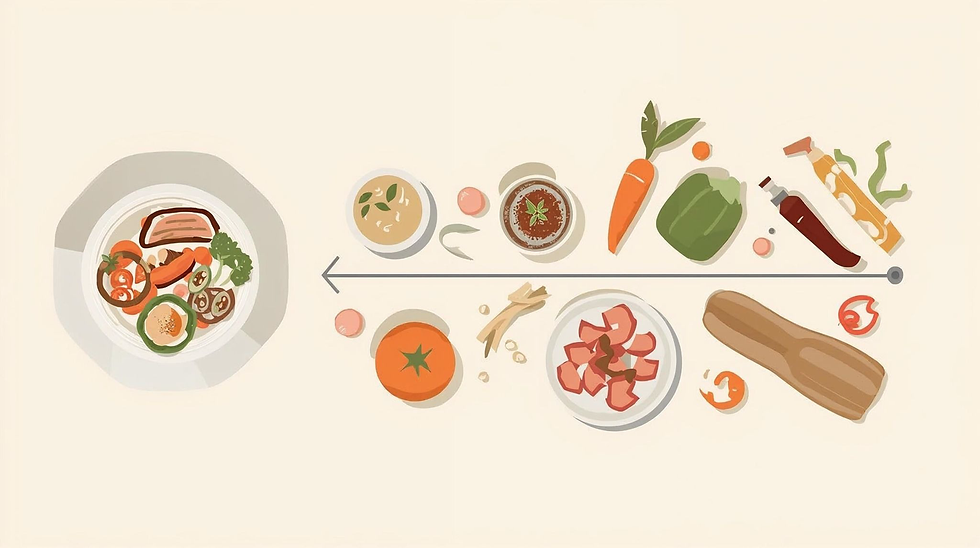
When menus are broken down into ingredients, sales data becomes operational data. Every dish sold reflects real ingredient consumption, inventory levels become more accurate, purchasing plans align better with demand, and cost control becomes proactive instead of reactive.
Menu2Recipe by Oda: Connecting dishes with sales, inventory, and purchasing
Menu2Recipe by Oda is designed to address this exact challenge. When a dish is sold, the system automatically translates that sale into ingredient-level consumption, updating inventory and purchasing data accordingly.

With Menu2Recipe, F&B businesses can keep sales simple at the dish level while managing costs at the ingredient level. The menu becomes the starting point of operational data, giving operators clearer visibility into ingredient flow and cost performance.
Conclusion
In F&B, restaurants sell dishes, but profitability depends on how well ingredients are managed. With Menu2Recipe, Oda turns menus into an operational data foundation by connecting sales, inventory, and purchasing, helping F&B businesses control ingredients more accurately and reduce waste across daily operations.
FAQ
1. Why is ingredient-level control important if restaurants sell dishes?
Because costs, waste, and inventory losses occur at the ingredient level. Without tracking ingredients behind each dish, businesses cannot accurately control food costs.
2. How does Menu to Recipe improve inventory accuracy?
Menu to Recipe links each sold dish to its ingredient breakdown, allowing inventory levels to update automatically based on real sales activity.
3. Which F&B businesses benefit most from Menu to Recipe?
Restaurants, cafés, and F&B chains that want tighter control over ingredients, inventory, and purchasing as they scale operations.


Comments